
As homeowners in California increasingly seek energy-efficient solutions, the spotlight is turning towards innovative technologies that promise both sustainability and cost savings. One such solution is geothermal heating systems, a remarkable method that harnesses the earth's natural warmth to provide consistent and eco-friendly heating for your home. But what exactly does this mean for you, the homeowner?This article dives deep into the world of geothermal heating, exploring its benefits, installation processes, and how it can transform your living space into a model of efficiency. Imagine enjoying a warm, comfortable home while significantly reducing your carbon footprint and energy bills.
With California's commitment to renewable energy and sustainable practices, now is the perfect time to consider how geothermal heating can fit into your home improvement plans. Join us as we unravel the science behind geothermal systems, highlight real-life applications, and provide insights on how you can take advantage of this renewable energy option. Whether you're building a new home or upgrading your current system, understanding geothermal heating could be the key to unlocking a more efficient and environmentally friendly future.
Geothermal heating systems
are an innovative and efficient way to harness the earth's natural heat for residential heating needs. Unlike traditional heating methods that rely on fossil fuels or electricity generated from non-renewable sources, these systems utilize the stable temperatures found beneath the Earth's surface. By tapping into this renewable energy source, homeowners can significantly reduce their energy costs while minimizing their environmental impact. The efficiency of geothermal heating systems is remarkable.They operate on a principle known as the heat pump cycle, where a fluid circulates through underground pipes absorbing heat from the earth during colder months and releasing it back during warmer months. This process can yield energy efficiency ratings of 300% to 600%, meaning for every unit of energy consumed, three to six units of heat are produced. In contrast, traditional heating systems generally operate at efficiencies closer to 80% to 90%.As California homeowners increasingly seek out energy-efficient solutions, geothermal systems have garnered attention for their potential to save money and energy. According to studies, homeowners can save between 30% and 60% on their heating and cooling bills after installing a geothermal system.
Furthermore, utilizing natural resources for home heating not only reduces reliance on fossil fuels but also contributes to lowering greenhouse gas emissions. The installation process of a geothermal heating system involves several steps. First, a thorough site evaluation is necessary to determine the best type of system for the specific property, whether it be a closed-loop system or an open-loop system. Local contractors specializing in geothermal installations will assess factors such as soil type, land availability, and existing infrastructure. Homeowners should consider obtaining multiple quotes and checking references to ensure they choose a reputable contractor with experience in geothermal technology. For those interested in maintaining their systems or even venturing into DIY aspects, there are several maintenance tips that can prolong the life of geothermal heating systems.
Regularly checking the fluid levels, ensuring that the ground loop is free from debris, and replacing filters as needed can keep the system running efficiently. However, it is important to note that while some minor maintenance tasks can be done by homeowners, major repairs should always be left to professionals. Investing in geothermal heating systems not only offers immediate savings but also comes with long-term financial incentives. California residents may qualify for various tax credits or rebates when they invest in renewable energy solutions like geothermal systems. These incentives can help offset installation costs, making the transition to renewable energy even more appealing. Despite their numerous benefits, there are common misconceptions regarding geothermal systems, particularly concerning installation costs and suitability for different home types.
Many people assume that these systems are prohibitively expensive; however, when factoring in energy savings and financial incentives, they often pay for themselves within a few years. Additionally, geothermal systems are versatile and can be installed in various types of homes, including new builds and retrofits. Real-life examples abound in California where homeowners have successfully implemented geothermal systems. For instance, a family in Los Angeles installed a closed-loop geothermal system and reported a 50% reduction in their heating and cooling costs within the first year. Similarly, a couple in San Diego were able to eliminate their reliance on natural gas for heating entirely after transitioning to geothermal technology. In conclusion, as more Californians explore sustainable living options, geothermal heating systems present an attractive solution that aligns with both environmental goals and financial savings.
By understanding how these systems work, considering local installation options, and dispelling common myths, homeowners can make informed decisions that benefit both their wallets and the planet.
Maintenance Tips for Longevity
To ensure the efficiency and longevity of your geothermal heating system, regular maintenance is essential. Start by scheduling annual inspections with a qualified technician. This helps identify potential issues early and keeps the system running smoothly. Next, regularly check and replace the air filters. Clean filters improve air quality and maintain system efficiency.Depending on usage, filters should typically be changed every 1-3 months. Additionally, it’s important to keep the outdoor components clear of debris. Ensure that the area around your heat pump is free from leaves, dirt, and other obstructions to promote proper airflow. Another tip is to monitor your system’s performance. Keep an eye on energy bills for any unusual spikes, which could indicate a need for maintenance or repairs. Finally, consider flushing the ground loop every few years. This helps remove any buildup of minerals or debris that could impede heat transfer, ensuring your geothermal heating system operates at peak efficiency.
Benefits of Geothermal Heating for California Homes
Geothermal heating systems offer numerous advantages for homeowners in California, making them an increasingly popular choice for energy-efficient home improvements. offer numerous advantages for homeowners in California, making them an increasingly popular choice for energy-efficient home improvements.One of the most significant benefits is the potential for energy savings. These systems utilize the constant temperature of the earth to provide heating and cooling, which can lead to lower energy bills compared to traditional heating methods. Homeowners can often see reductions in their energy consumption by up to 50%, translating into substantial cost savings over time. Additionally, the environmental impact of geothermal heating systems is considerably lower than that of conventional systems. By harnessing the earth's natural heat, these systems reduce reliance on fossil fuels, leading to decreased greenhouse gas emissions.
This is particularly relevant in California, where environmental sustainability is a priority for many residents. Utilizing renewable energy sources such as geothermal systems contributes to a cleaner and healthier environment. Moreover, investing in geothermal heating can increase your home value. As energy efficiency becomes a key consideration for homebuyers, properties equipped with geothermal systems may attract more interest in the real estate market. This not only provides financial benefits in the long run but also positions your home as a modern and environmentally conscious choice in a competitive housing market.
Understanding Geothermal Heating Systems
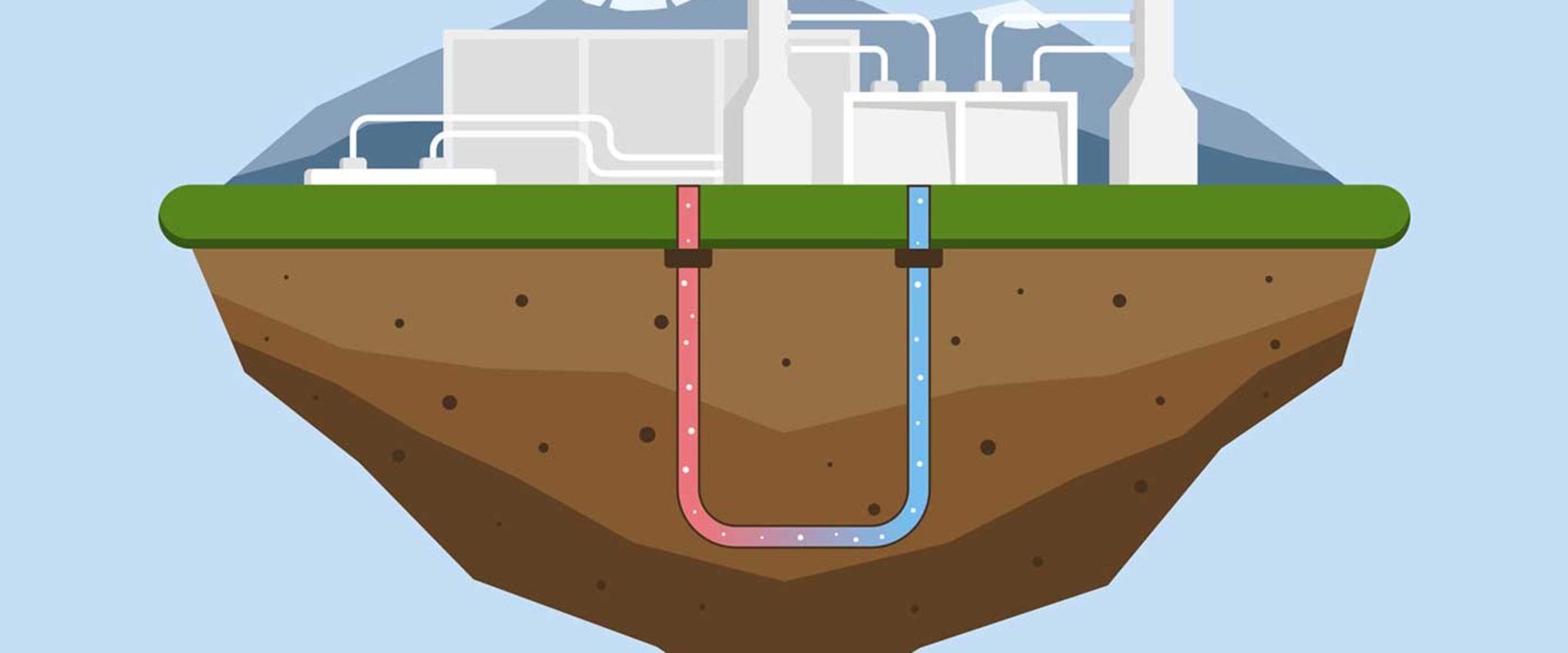
Geothermal heating systems leverage the earth's natural heat to provide efficient and sustainable heating solutions for homes.At their core, these systems utilize the stable temperature of the ground, which remains relatively constant throughout the year, to regulate indoor temperatures. The basic principle behind geothermal heating is simple: during winter, a geothermal system absorbs heat from the ground and transfers it into your home. Conversely, in the summer months, it can reverse this process by pulling heat out of your home and transferring it back into the cooler ground. This dual functionality makes geothermal systems versatile and effective year-round. Geothermal systems typically consist of three main components: the ground loop, the heat pump, and the distribution system. The ground loop is a series of pipes buried underground that circulates a fluid—usually water or a mixture of water and antifreeze—to absorb or release heat.
This fluid then travels to the heat pump, where the heat is extracted or added, and subsequently distributed throughout the home via ductwork or radiant heating systems. By tapping into the earth's renewable energy, geothermal heating systems can significantly reduce reliance on fossil fuels, leading to lower energy costs and a smaller carbon footprint. Homeowners in California are increasingly recognizing the benefits of this technology, not only for its economic advantages but also for its contribution to a sustainable future.
Financial Incentives: Save While You Improve
Investing in geothermal heating systems not only contributes to a sustainable environment but also offers significant financial benefits for homeowners in California. With the rising costs of energy, many residents are exploring options that provide both comfort and savings. One of the most attractive aspects of geothermal systems is the availability of various financial incentives that can significantly offset initial installation costs. The state of California, along with federal programs, offers numerous rebates and tax credits for homeowners who choose to implement renewable energy solutions like geothermal heating.The California Public Utilities Commission (CPUC) provides incentives through programs such as the Self-Generation Incentive Program (SGIP), which can help reduce the upfront costs associated with installing a geothermal system. Additionally, the federal government offers a Residential Renewable Energy Tax Credit, allowing homeowners to deduct a percentage of the installation costs from their federal taxes. This incentive is designed to encourage the adoption of renewable energy technologies, making geothermal systems more financially accessible. Beyond these immediate financial incentives, geothermal heating systems provide long-term cost savings. Homeowners can expect to see a significant reduction in their energy bills, as geothermal systems are highly efficient and utilize the earth’s natural heat. Studies have shown that homes equipped with geothermal heating can save up to 70% on heating and cooling costs compared to traditional HVAC systems.
This not only helps in recovering the initial investment over time but also contributes to lower utility expenses. In summary, the combination of state and federal financial incentives, along with long-term savings on energy bills, makes geothermal heating systems an appealing option for California homeowners looking to improve their energy efficiency while saving money.
Addressing Common Misconceptions
When considering geothermal heating systems, many homeowners may encounter a variety of misconceptions that can deter them from exploring this energy-efficient option. It is essential to clarify these myths to provide a clearer understanding of how geothermal systems work and their benefits. One common myth is that geothermal heating systems are only suitable for areas with volcanic activity. While it's true that geothermal energy originates from the Earth's core, modern geothermal systems can be effectively implemented in a wide range of geographical locations, including many parts of California. The technology harnesses the consistent temperature of the ground, which remains relatively stable regardless of surface weather conditions. Another misconception is that installing a geothermal heating system is prohibitively expensive.Although the initial investment can be higher than traditional heating systems, homeowners should consider the long-term savings on energy bills and the potential increase in home value. In fact, federal and state incentives can also help offset installation costs, making geothermal systems more accessible. Some people believe that geothermal heating systems require extensive maintenance. In reality, once installed, these systems typically require less maintenance than conventional heating systems. With no combustion process and fewer moving parts, they are generally more reliable and have longer lifespans. Lastly, there is a misconception that geothermal heating is not effective during extremely cold weather.
However, geothermal systems are designed to provide consistent heating throughout the year, utilizing the ground’s stable temperatures to deliver efficient warmth even in winter months. By addressing these common misconceptions, potential users can make informed decisions about integrating geothermal heating systems into their homes, leading to enhanced energy efficiency and reduced environmental impact.
Installation Process: What to Expect
Installing a geothermal heating system is a multi-step process that requires careful planning and execution. Understanding the installation process can help homeowners in California prepare for this energy-efficient upgrade. The first step in the installation process is a site assessment. During this phase, a qualified contractor will evaluate your property to determine the suitability for a geothermal system. This assessment includes analyzing the land's geology, soil conditions, and available space for ground loops.The contractor will also assess your home’s heating and cooling needs, which is essential for sizing the system correctly. Next, homeowners must select a contractor experienced in geothermal installations. It is crucial to choose a contractor with expertise in this specialized field. Homeowners should ask for references, check online reviews, and ensure the contractor has the necessary licenses and certifications. A well-qualified contractor will not only provide a detailed estimate but also guide you through the entire installation process. Once a contractor is selected, they will finalize the design of the geothermal system based on the site assessment results.
This design will include decisions about the type of loop system (horizontal, vertical, or pond) and the specific equipment needed for your home. The installation itself typically involves several steps: excavating trenches or drilling boreholes for ground loops, installing the loop system, connecting it to the heat pump, and finally integrating it with your existing home heating system. Throughout this process, it’s important for homeowners to maintain communication with their contractor to stay informed about progress and any potential issues. Finally, after installation is complete, the system will need to be tested and commissioned to ensure everything operates efficiently. Homeowners should also discuss maintenance requirements with their contractor to keep their geothermal heating system running smoothly for years to come. In conclusion, geothermal heating systems present a revolutionary approach to home heating that aligns perfectly with California's commitment to sustainability and energy efficiency. We have explored the benefits of geothermal heating, including significant reductions in energy costs and environmental impact, making it an attractive option for homeowners seeking to lower their carbon footprint. The installation process, while detailed, is a worthwhile investment that pays off in both comfort and savings.
Regular maintenance ensures these systems operate efficiently for years to come, further enhancing their value. Additionally, financial incentives available to homeowners can make transitioning to this renewable energy source even more appealing. We encourage you to consider geothermal heating as a key element in your next home renovation or upgrade. By harnessing the power of the earth, you can not only improve your living space but also contribute positively to our environment.