As the chill of winter fades and the warmth of spring beckons, California gardeners are presented with a golden opportunity to breathe new life into their outdoor spaces. The vibrant hues of blooming flowers, the lush greenery of thriving plants, and the sweet aromas of fresh herbs fill the air, creating an enchanting atmosphere that invites creativity and growth. Whether you're a seasoned horticulturist or a novice gardener, understanding the intricacies of spring planting is essential for cultivating a garden that flourishes throughout the season.
Essential Tips for Spring Planting in California Gardens
will guide you through the best practices tailored specifically for the unique climate and conditions found across the diverse landscapes of California. From selecting the right plants to timing your sowing, our expert insights will equip you with the knowledge needed to transform your garden into a thriving oasis. Join us as we explore essential strategies, including soil preparation techniques, appropriate watering methods, and pest management tips that will help ensure your garden not only survives but thrives.With careful planning and a touch of passion, your spring planting endeavors can yield bountiful rewards. Ready to dig in? Let’s get started on your journey to creating a stunning California garden that bursts with life this spring!Spring is a crucial time for planting in California, as the state's diverse climate zones offer unique opportunities for gardeners. Understanding the importance of spring planting is essential for creating vibrant outdoor spaces that enhance the aesthetics of any home. Proper planting not only beautifies your garden but also contributes to a welcoming atmosphere that can be enjoyed throughout the year. When embarking on your spring planting journey, the first step is to choose the right plants based on California's various climate zones.
The state is divided into several zones, ranging from coastal areas to inland valleys and mountainous regions. Each zone presents different temperatures, rainfall patterns, and soil types, which influence the types of plants that will thrive. For instance, if you reside in a coastal region, consider planting California poppies, lavender, or succulents, which flourish in well-drained soil and moderate temperatures. Preparation of the soil is another key element of successful spring planting. It is vital to test your soil's pH and nutrient levels before planting.
Incorporate organic matter such as compost or well-rotted manure to improve soil structure and fertility. This not only provides essential nutrients for your plants but also enhances water retention, which is particularly important in California's sometimes arid conditions. Timing is everything when it comes to planting. In California, the best time to plant most flowers and vegetables is typically from mid-March to early May. However, this can vary depending on your specific location.
For example, gardeners in Southern California may start their planting earlier than those in Northern California due to milder temperatures. It's important to consult local planting calendars and resources to ensure you are planting at the optimal time for your region. Some popular flowers that thrive during spring include marigolds, zinnias, and sunflowers. These vibrant blooms not only add color to your garden but also attract beneficial pollinators. When it comes to vegetables, consider planting tomatoes, bell peppers, and zucchini, which are known for their adaptability and yield in California's climate.
Additionally, herbs such as basil, oregano, and rosemary are perfect for adding flavor to your dishes while thriving in sunny garden spots. Nurturing native plants is also an excellent way to enhance your garden while supporting local wildlife. Native species like California lilac, blue-eyed grass, and manzanita require less water and provide essential habitats for pollinators and other wildlife. Integrating these plants into your garden can create a sustainable landscape that contributes positively to the ecosystem. The investment in landscaping can significantly increase property value and improve curb appeal. A well-designed garden can create an inviting first impression for visitors and potential buyers alike.
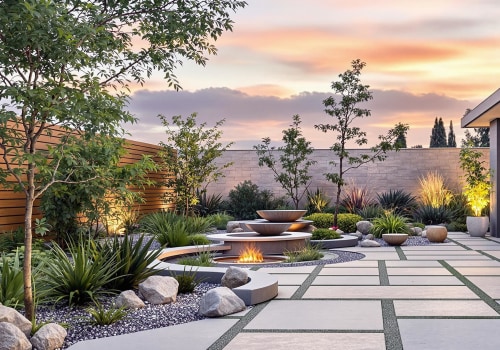
Consider incorporating pathways, flower beds, and strategically placed trees to enhance visual interest and draw attention to your home’s architecture. However, California gardeners often face challenges such as drought conditions that impact plant health and growth. Solutions like xeriscaping can help mitigate these issues by utilizing drought-resistant plants and efficient irrigation practices. By focusing on native plants and succulents, you can create a beautiful garden that requires minimal water while still being visually appealing. If you're looking to maximize space and enhance aesthetics further, consider DIY projects such as creating raised beds or vertical gardens. Raised beds not only improve drainage but also make gardening more accessible, especially for those with limited mobility. Consider incorporating pathways, flower beds, and strategically placed trees to enhance visual interest and draw attention to your home’s architecture. However, California gardeners often face challenges such as drought conditions that impact plant health and growth. Solutions like xeriscaping can help mitigate these issues by utilizing drought-resistant plants and efficient irrigation practices. By focusing on native plants and succulents, you can create a beautiful garden that requires minimal water while still being visually appealing. If you're looking to maximize space and enhance aesthetics further, consider DIY projects such as creating raised beds or vertical gardens. Raised beds not only improve drainage but also make gardening more accessible, especially for those with limited mobility.
Vertical gardens are perfect for small spaces, allowing you to grow a variety of plants while adding a unique design element to your outdoor area. Ultimately, understanding the key elements of spring planting in California—from selecting the right plants and preparing soil to recognizing optimal planting times—will empower both novice and experienced gardeners alike. By embracing the unique climate of California and addressing common gardening challenges, you can create a flourishing garden that enhances your home while contributing positively to the environment.
Water Conservation Strategies
In California, where water scarcity is a pressing concern, adopting effective water conservation strategies is essential for sustainable gardening. Two of the most efficient methods to consider are drip irrigation and rainwater harvesting.Drip irrigation
systems deliver water directly to the base of each plant, minimizing evaporation and runoff. This targeted approach not only conserves water but also promotes healthier plant growth by ensuring that roots receive moisture directly.Homeowners can install drip lines in their garden beds, which can be easily customized to fit various garden layouts.
Rainwater harvesting
is another excellent strategy for conserving water in California gardens. By collecting rainwater from roofs and directing it into storage barrels or cisterns, gardeners can create a sustainable water source for their plants. This method not only reduces reliance on municipal water supplies but also helps manage stormwater runoff, which can contribute to erosion and pollution. Incorporating these sustainable gardening practices not only aids in conserving precious water resources but also promotes a healthier ecosystem. By implementing drip irrigation and rainwater harvesting, gardeners can enjoy vibrant landscapes while being responsible stewards of the environment.Soil Preparation Techniques
Proper soil preparation is crucial for a successful spring planting in California gardens.The unique climate and diverse soil types found across the state necessitate a careful approach to ensure that your plants thrive. One of the first steps in this process is soil testing, which helps you understand the current nutrient levels and pH balance of your soil. By conducting a soil test, you can identify deficiencies or imbalances that may hinder plant growth. This information allows you to make informed decisions about necessary amendments. For instance, if your soil is too acidic or alkaline, you can adjust it by adding lime or sulfur accordingly. In addition to testing, improving drainage is vital, especially in regions prone to heavy rainfall or where clay soils dominate.
Incorporating organic materials such as compost or well-rotted manure can enhance soil structure, allowing for better water movement and aeration. These organic amendments not only improve drainage but also boost the nutrient content of the soil, providing essential elements for your plants. Furthermore, consider mixing in perlite or vermiculite to increase aeration in compacted soils. This practice is particularly beneficial for container gardening or raised beds, where good drainage is essential for plant health. Ultimately, taking the time to prepare your soil with these techniques will set a solid foundation for your spring planting efforts, ensuring that your California garden flourishes throughout the season.
Choosing the Right Plants for Your Region
When it comes to spring planting in California, understanding your specific climate zone is crucial for selecting the right plants. California boasts a diverse range of climates, from coastal to inland and desert regions, each requiring different considerations for successful gardening. In the coastal regions, where mild temperatures and humidity are prevalent, consider planting species such as lavender, salvia, and succulents.These plants thrive in the moist, salty air and can add vibrant colors and textures to your garden. For those in the inland areas, where summers can be scorching and winters chilly, selecting drought-tolerant plants is essential. Options like California poppies, agave, and ornamental grasses not only withstand heat but also require less water, making them ideal for sustainable gardening practices. If you're located in the desert regions, the focus should be on plants that can tolerate extreme heat and minimal rainfall. Consider incorporating saguaro cacti, desert marigolds, and yucca plants. These hardy varieties will flourish in the arid conditions while adding unique visual interest to your landscape. By carefully considering your specific climate zone and selecting plants that are well-suited for those conditions, you can create a thriving garden that enhances your home's outdoor space while embracing California's natural beauty.
Optimal Planting Times and Techniques
Understanding the optimal planting times for your garden is crucial for maximizing growth and ensuring a vibrant display of flowers and foliage.In California, spring typically spans from March to June, with specific planting times varying based on the region. For coastal areas, early spring is ideal for sowing seeds of cool-season crops such as lettuce, peas, and radishes. Inland valleys can start planting these crops as early as mid-March, while mountainous regions may need to wait until late April due to lingering frost. As spring progresses, it's time to transition to warm-season plants. By mid-April, gardeners in most areas can begin planting tomatoes, peppers, and eggplants.
For southern California, the end of March might be suitable for these crops, given the milder climate. Always check local frost dates to avoid damage to young plants. Alongside timing, adopting proper planting techniques is essential for success. Start by preparing the soil; it should be well-draining and rich in organic matter. Incorporate compost to enhance soil fertility.
When planting seeds or seedlings, ensure they are placed at the correct depth—generally about twice the width of the seed for seeds and at the same depth as in their nursery containers for seedlings. Spacing is also critical; overcrowding can lead to competition for nutrients and light. Follow spacing recommendations on seed packets or plant tags to ensure each plant has enough room to thrive. After planting, water gently but thoroughly to settle the soil around the roots. Using mulch can help retain moisture and suppress weeds, promoting healthy growth as your garden flourishes this spring.
Landscaping Ideas for Spring
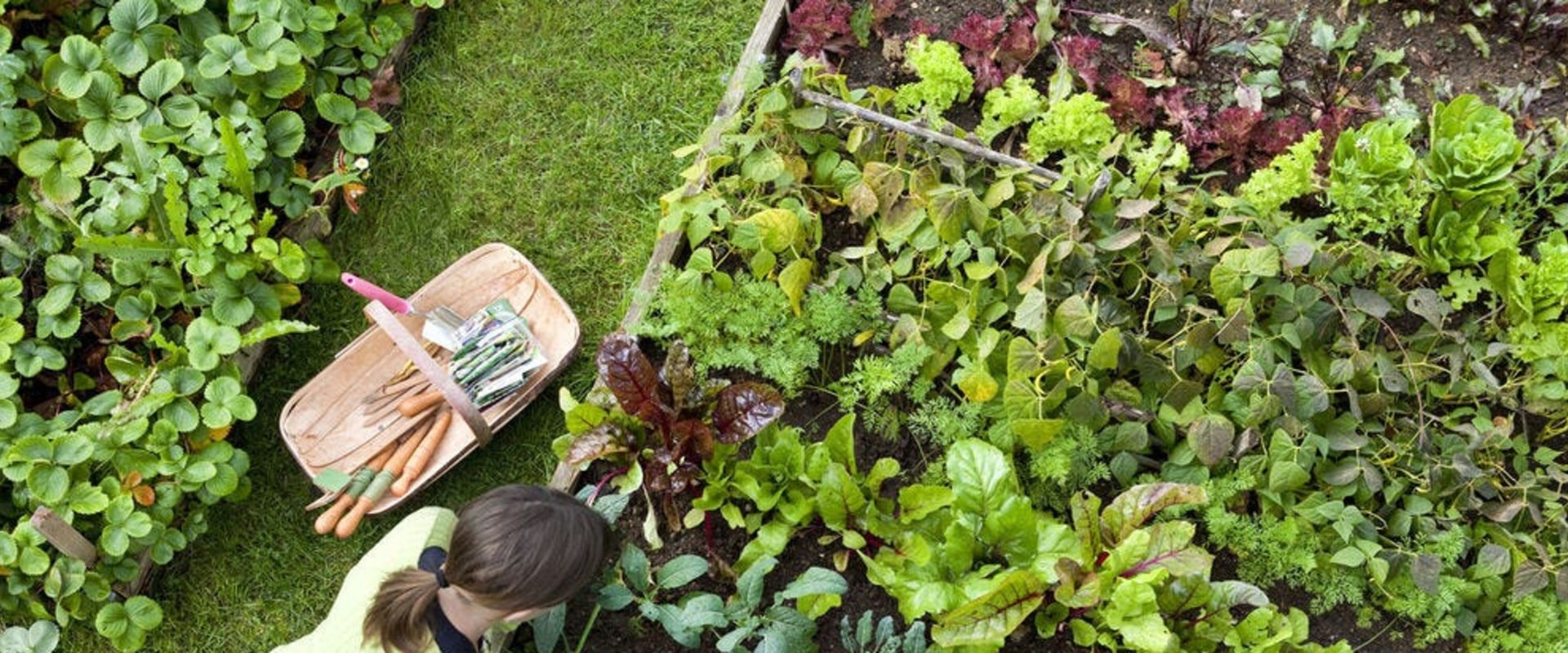
Creating a visually appealing garden layout in California requires careful consideration of both aesthetics and the unique climate.Begin by incorporating flowers that thrive in the spring season, such as California poppies, marigolds, and lavender. These vibrant blooms can add color and life to your garden, making it an inviting space for both residents and visitors. Next, consider integrating shrubs that provide structure and texture to your garden design. Varieties like manzanita and ceanothus not only flourish in California's climate but also offer year-round interest with their unique foliage and flowers. Don't forget about incorporating vegetables into your spring planting. Raised beds or container gardens can be an excellent way to grow crops like tomatoes, bell peppers, and herbs.
These edible plants not only contribute to your meals but also enhance the overall aesthetic of your outdoor space when arranged thoughtfully. To create an attractive layout, consider using a combination of heights, colors, and textures. For instance, placing taller plants at the back of a flower bed with shorter varieties in front can create depth and visual interest. Additionally, using pathways made of stone or mulch can guide visitors through your garden while highlighting the beauty of each plant. Finally, think about seasonal color schemes that will keep your garden looking vibrant throughout the spring months. Harmonizing your plant choices with seasonal themes can elevate the overall design while ensuring that your garden remains a beautiful retreat for the entire family. In conclusion, spring planting is vital for transforming California gardens into stunning outdoor havens.
By choosing the right plants, implementing effective soil preparation techniques, and adhering to optimal planting times, homeowners can significantly enhance their landscapes. As we explored various landscaping ideas for springlandscaping ideas for spring and water conservation strategies, it becomes clear that thoughtful gardening practices not only beautify homes but also contribute to sustainable living. We encourage you to experiment with different plants and techniques, as each garden is unique and offers an opportunity for creativity. Remember, spring is a season of renewal and growth, making it the perfect time to invest your energy into creating inviting outdoor spaces that reflect your personal style.